
Prescription medicine
Pantocid Tablet
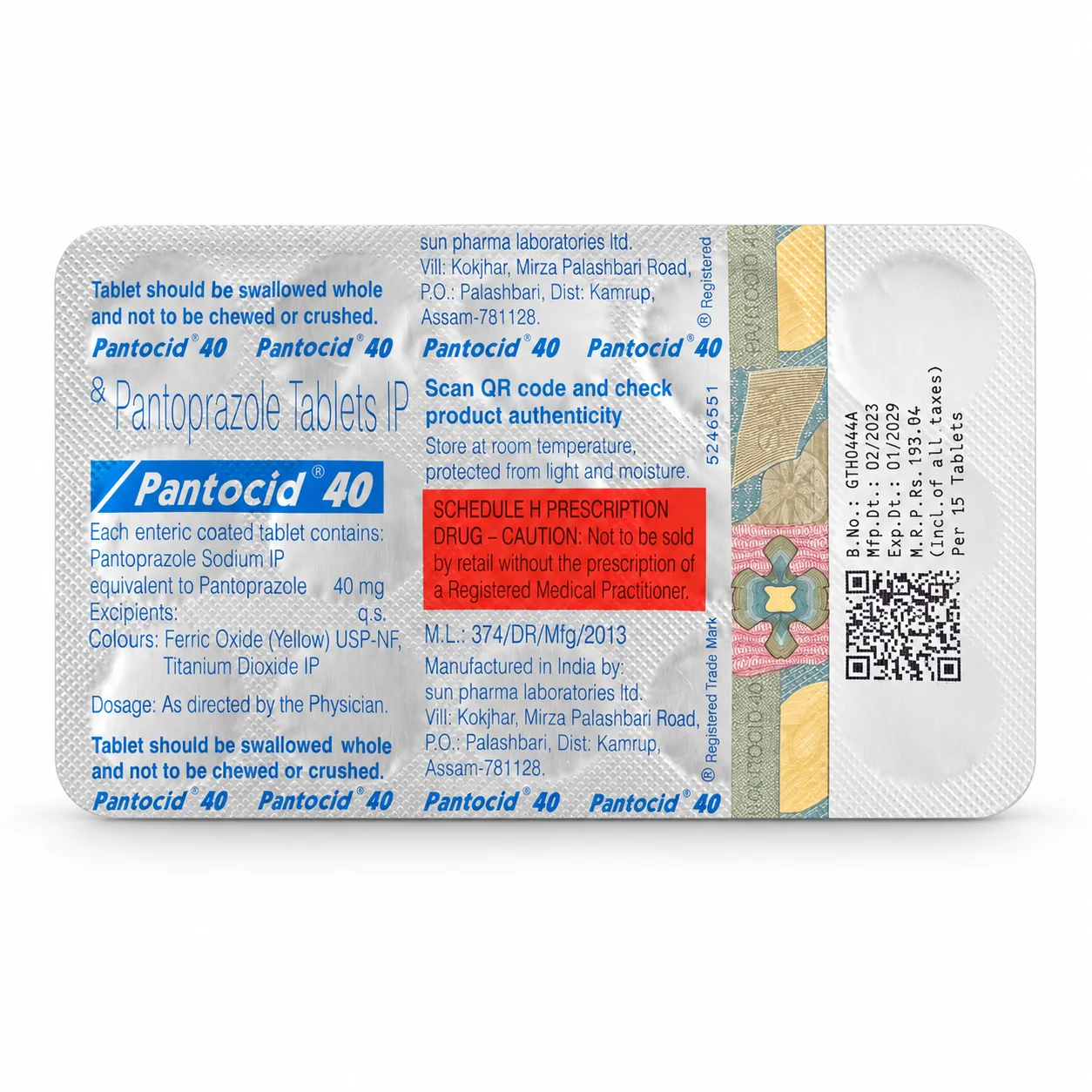
Prescription pantoprazole 40 mg tablet used for acid-related conditions of the stomach and intestine.
- PrescriptionRequired to order
- Active ingredient
- Pantoprazole
- Prescription needed
- Schedule H medicine. A pharmacist checks your prescription before we ship.
What to know before you order
- Order the strength on your prescriptionIf your doctor changes your dose, you'll need a new prescription and a new pen for that strength.
- Read the leaflet before your first doseIt comes in the box. Read it even if you have used another pen. If a step is unclear, ask your doctor or pharmacist.
- Get a container for used needlesPut each used needle in a sturdy container with a lid, so no one is pricked.
Product facts
- 1 Strip
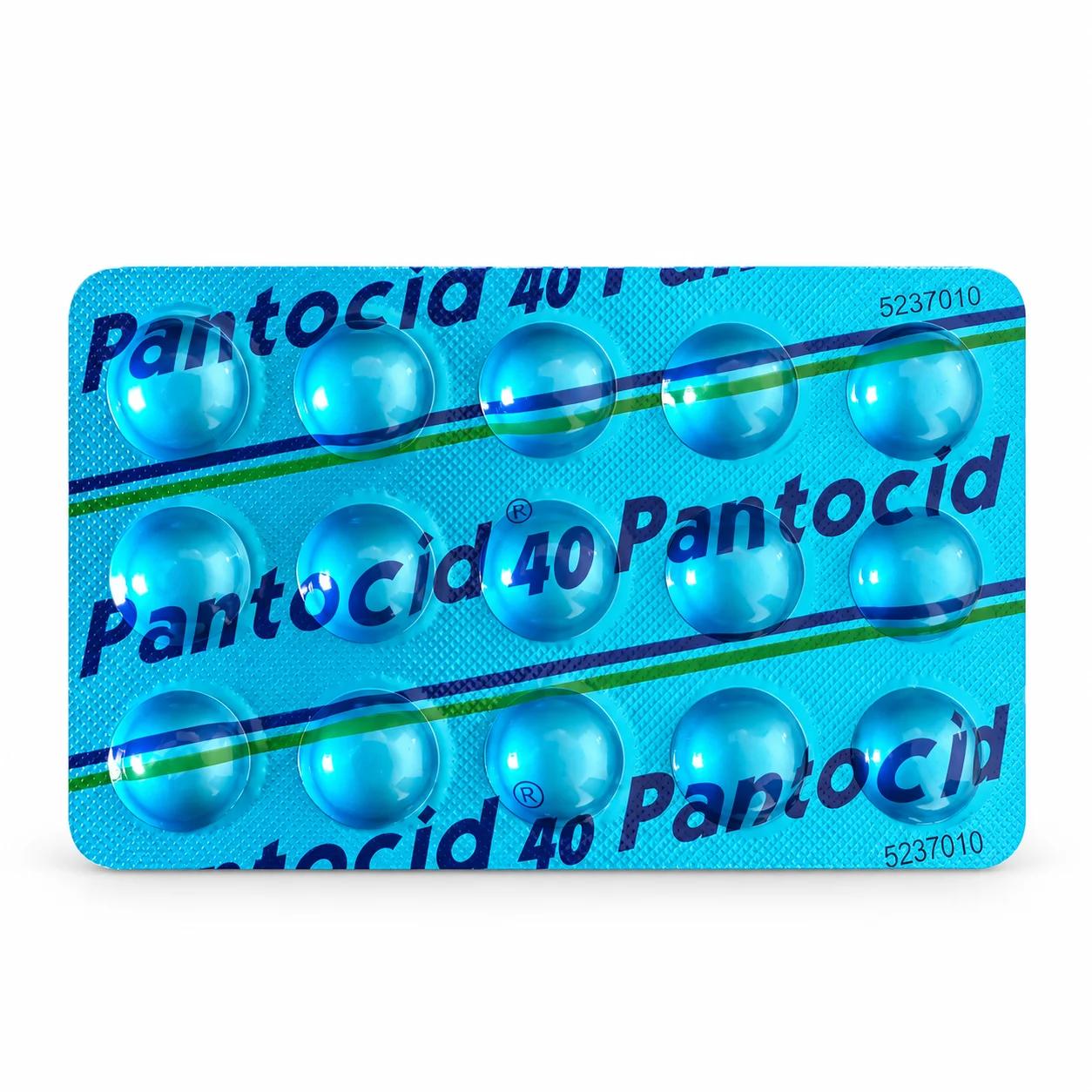
- 15 tablets
- Active ingredient
- Pantoprazole
- Stength
- 40 mg
- Storage
- Ambient
What is this used for
Pantoprazole is a proton pump inhibitor that reduces the amount of acid produced in the stomach.
It may be prescribed for acid-related gastrointestinal conditions such as gastroesophageal reflux disease, reflux oesophagitis, and peptic ulcer disease.
Use Pantocid only for the condition and duration prescribed by your doctor.
Storage and handling
Store below 30°C. Protech from light and moisture
Other information
- Manufacturer details - Sun Pharmaceutical Industries Limited
FAQs
Common Questions
What is it prescribed for?
Pantoprazole is prescribed for acid-related conditions of the stomach and intestine.
Is Pantocid 40 an antacid?
No. Pantocid contains pantoprazole, a proton pump inhibitor. It reduces acid production in the stomach rather than directly neutralising existing stomach acid.
Can Pantocid 40 cause side effects?
Side effects can occur. Commonly reported effects with pantoprazole include headache, diarrhoea, nausea, abdominal discomfort, and flatulence. Speak with your doctor if symptoms are persistent or concerning.
Check it matches your prescription
- Name and strengthThe same as on your prescription.
- Prescription markThe Rx symbol and the Schedule H warning on the carton.
- Expiry datePrinted on the carton and on the medicine itself.
- Sealed cartonUnopened when it reaches you. If anything differs, contact us before using it.