
Protein powder
How to read a protein powder label
Compare protein per 100 g, serving size, ingredients, allergens, sugar and cost per serving before you choose a protein powder. What India's food label rules require, and what they do not.
This guide shows how to read a label and which kind of powder fits you. It also shows the packs we stock, with live prices.
Before you buy
A scoop is protein plus a few other things. Two published studies of whey isolate found that 4.5% to 8.7% of the powder was water and minerals. The rest is protein, with small amounts of fat and carbohydrate.
Compare packs by protein in 100 g, not by protein per serving.
The result is also the percentage of protein in the powder. This is the calculation for two real labels:
Before you buy, check these five things on the pack.
Ingredient order
Check that the protein comes first. The label lists the ingredients from most to least, by weight. If sugar, maltodextrin or starch is before the protein, the pack contains more of that ingredient than protein.
Protein in 100 g
On real unflavoured labels, a whey concentrate has about 75 g to 80 g of protein in 100 g. An isolate has about 85 g to 90 g.
Sugar and sweeteners
Read the ingredient list to see what makes the powder sweet. "Sugar-free" means 0.5 g of sugar or less in 100 g. A "No added sugar" pack can still contain natural sugar, such as lactose, or a sweetener, such as stevia or sucralose.
Allergens
Read the "Contains" line. It must name each allergen in the recipe, such as milk, soy or egg. If your allergy is severe, also read the "May contain" line. It warns of traces from shared factory lines. A pack with no "May contain" line can still contain traces.
Licence, dates and seal
Check the FSSAI licence number, the batch number, the manufacture and expiry dates, and that the seal is not broken. If you buy online, check them when the pack arrives.
Whey isolate: Complete protein
It is filtered further than concentrate, so more of it is protein. It usually has less lactose and fat. Some isolate powders also contain concentrate. The ingredient list then names both.
Whey concentrate: Complete protein
It is filtered less, so it keeps more lactose and fat. If you are lactose intolerant, the extra lactose can upset your stomach.
Casein: Complete protein
Most of the protein in cow's milk. Whey is about a fifth. Your body digests casein more slowly than whey.
Soy: Complete protein
The International Society of Sports Nutrition rates its quality a little below milk protein. It is better studied than pea, rice and other plant proteins.
Pea, rice, pumpkin seed and blends: Complete when blended
One plant protein alone can be low in an essential amino acid. Rice is low in lysine. Pea is slightly low in the sulphur amino acids. In a pea and rice blend, each protein supplies what the other lacks.
Hemp: Not complete alone
Made from hemp seeds. It is low in lysine, one of the 9 essential amino acids, so it is not a complete protein on its own. Powder from dehulled seeds is easier to digest.
Egg white: Complete protein
It has no milk or lactose. It is not suitable if you have an egg allergy. It is also not for vegans or for vegetarians who do not eat eggs.
Collagen: Not complete
It has no tryptophan, one of the 9 essential amino acids. It can be part of your protein, but not your main source.
Lactose intolerance limits the amount of milk sugar you can have. With a milk allergy, you cannot have any milk protein, even whey isolate.
Start with the need that matters most to you. Each one shows the kind of powder to look for.
| If you want | Look for | Why |
|---|---|---|
| Most protein per gram | Whey isolate | 87 to 90 g in 100 g on real labels. |
| Less lactose | Whey isolate or a plant powder | Isolate usually has less. Plant powders have none. |
| No milk | A plant powder, or egg white if you eat eggs | Neither contains milk. Check the "Contains" line. |
| Lowest cost | The cost per serving | "Compare the packs" shows it for each pack. |
KiloCare Pharmacy
These are all the protein powders we sell. Our choice to stock a powder is not a personal medical recommendation.
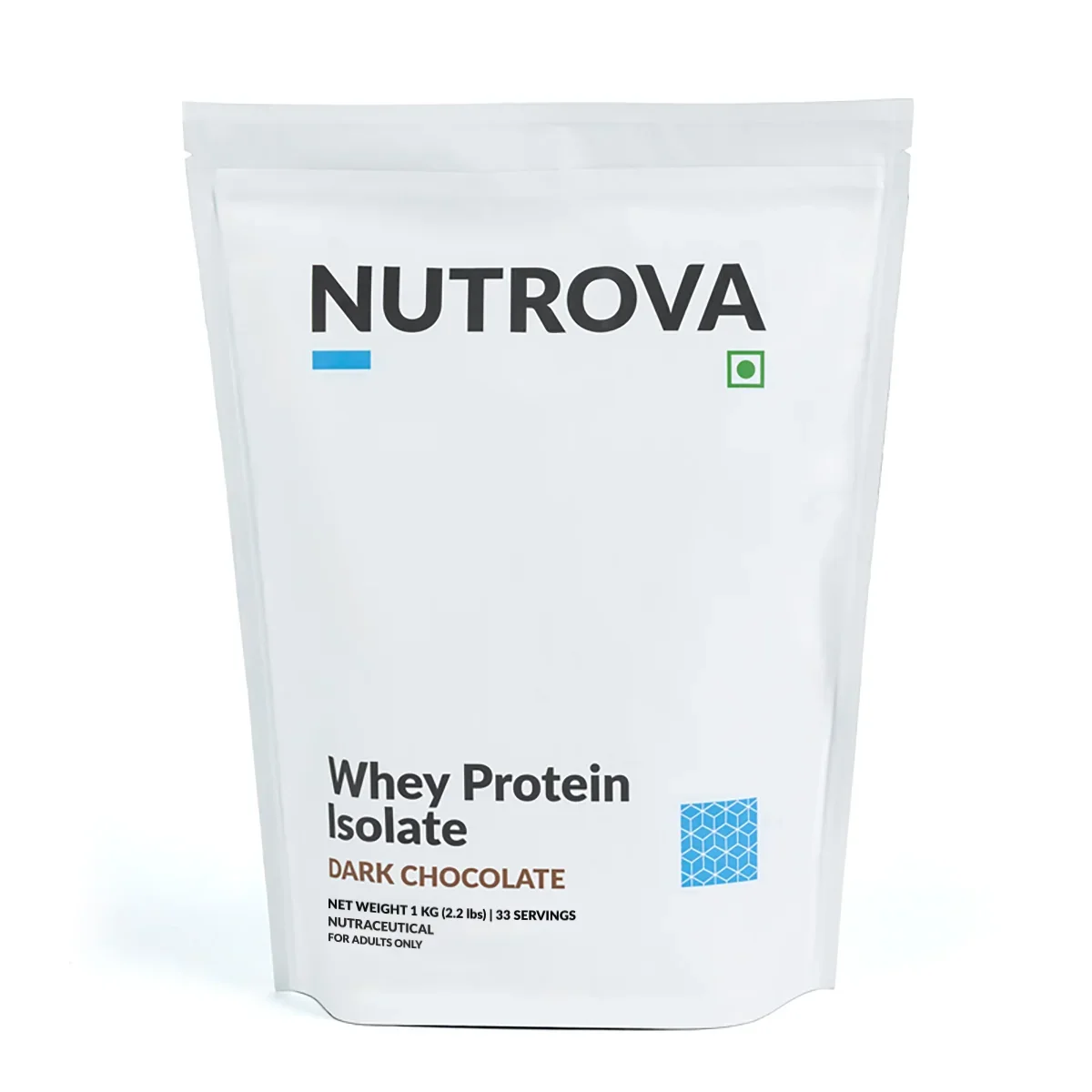
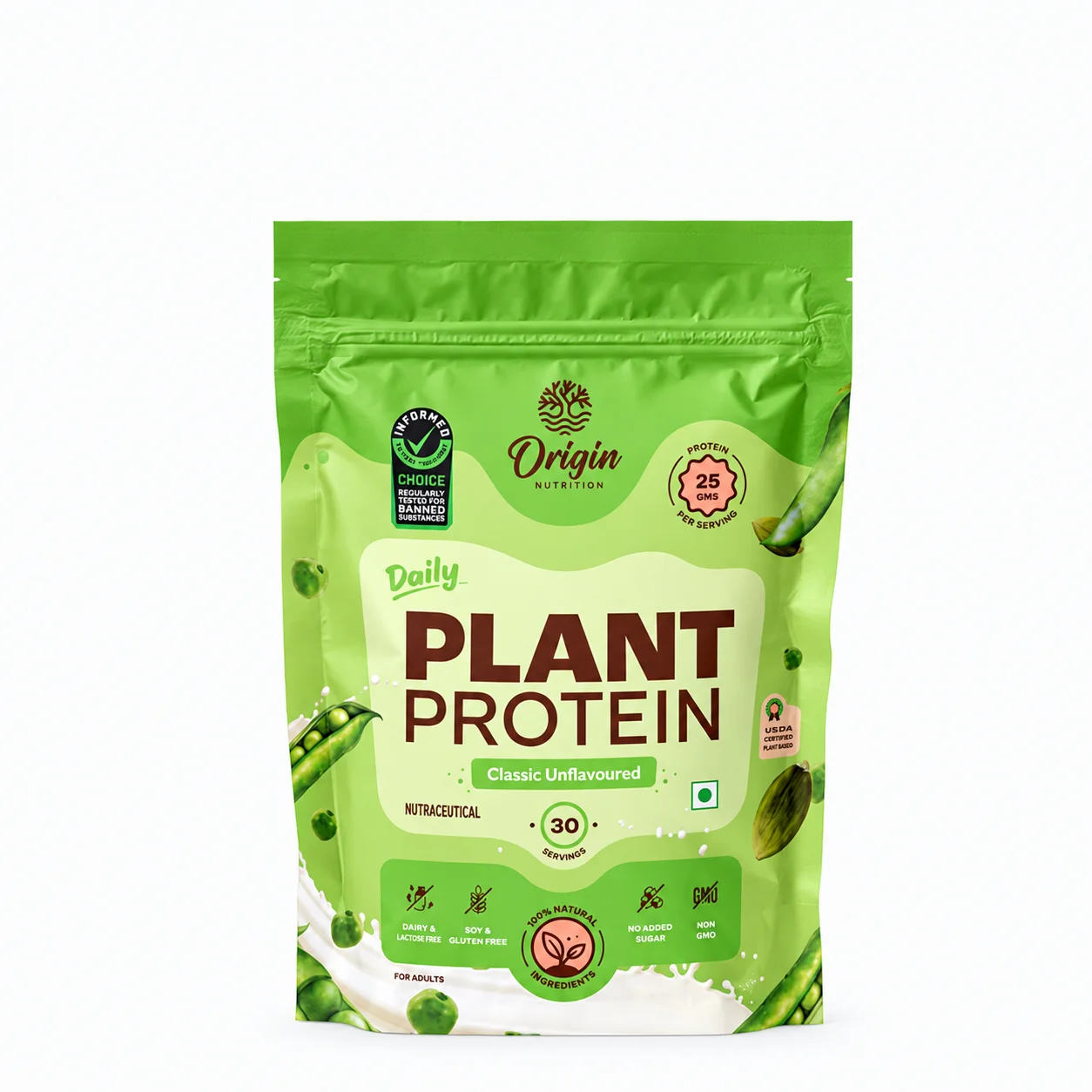
| Protein source | Whey isolate | Pea and pumpkin seed |
|---|---|---|
| Protein per serving | 24 g | 25 g |
| Serving size | 30 g · 33 servings | 32.5 g · 30 servings |
| Pack price | ₹6,500.00 | ₹1,879.00 |
| Cost per serving | ≈ ₹197 per serving | ≈ ₹63 per serving |
| Protein per 100 g | ≈ 80 g per 100 g | ≈ 76.9 g per 100 g |
| Allergens listed | Milk | None declared by manufacturer |
| Flavours | Dark Chocolate, Unflavoured | Classic Unflavoured, Chocolate Fudge |
| Ingredients | Full label on the product page | Full label on the product page |
| Stock | Limited stock | Limited stock |
The figures are for the pack you choose. Nutrova lists milk as an allergen. Origin Nutrition describes Daily Plant Protein as dairy-free. If you have a milk allergy, check the current pack label before buying. Any figure marked "Not listed" should also be checked on the pack.
Protein supplements add to a suitable diet. They do not replace advice from your doctor. Ask your doctor first if you have kidney or liver disease, diabetes or a food allergy. Also ask your doctor first if you are pregnant or take a medicine that reduces your appetite.
Learn
Protein powder
Compare protein per 100 g, serving size, ingredients, allergens, sugar and cost per serving before you choose a protein powder. What India's food label rules require, and what they do not.
Protein basics
Protein makes enzymes and hormones and replaces tissue that breaks down. India's dietary guidelines explain the 9 amino acids food must supply, and how dal with rice or roti supplies them.
Protein basics
Two meals can have the same grams of protein, and your body may use different amounts of each. India's dietary guidelines explain why cereal protein runs short of lysine, and how pulses, milk and cooking help.
Protein powder
Whey or plant protein? India's dietary guidelines start with food. If you are choosing a powder anyway, compare the protein per 100 g, the ingredients and the allergens.
The facts on this page come from these documents. Each link opens the original.
Used for: whey and plant protein, concentrate and isolate, and casein and whey in milk. Also soy, milk allergy, and the amino acids pea and rice are low in.
Used for: how casein digests, what collagen lacks and how much of your protein it can be, and what gets added to powders.
Used for: egg protein having all the essential amino acids, and egg white as a complete protein.
Used for: hemp being low in lysine, and dehulled hemp being easier to digest.
Used for: what causes lactose intolerance, its symptoms, and how they depend on the amount.
Used for: what makes up the rest of a serving.
Used for: the whey and soy comparison in training.
Used for: the label checks and the health-supplement lines.